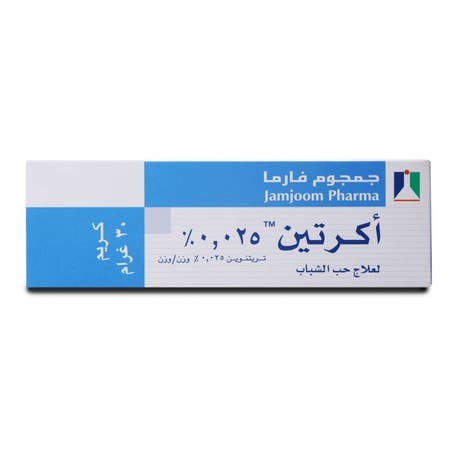
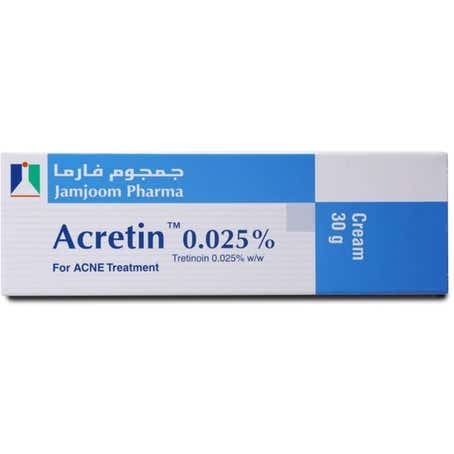
Tretinoin Cream 0.025% What is the use of tretinoin: Tretinoin is a medication used to treat acne. Acne is an inflammatory skin disorder caused by blockage of hair follicles with oil and dead skin cells, resulting in blackheads or whiteheads or pimples. The safety and effectiveness of long-term use of this medication in treating other diseases have not been proven. Do not use tretinoin: if you are allergic to tretinoin or any of the ingredients in this product. Warnings and precautions: stop taking the medication immediately and talk to your doctor or pharmacist if you experience any allergy or skin reactions to any of the ingredients in this gel such as itching, redness, shortness of breath, rash, or swelling of the face or neck, low blood pressure, or dizziness. This medication is for external topical use only. Do not swallow this product. Keep the tube tightly closed. This medication may cause redness, swelling, and peeling at the application site. Some patients may also find their skin begins to turn red. These skin reactions do not occur in all patients and are more likely to occur during the first days of treatment and usually subside as your skin begins to adapt to the medication (within 2 to 4 weeks). You can reduce the risk of these side effects by following the instructions carefully. Talk to your doctor if your skin reactions bother you or do not subside after some time; your doctor may recommend using this medication less frequently or stopping its use altogether. Tretinoin may cause severe irritation in areas of skin affected by eczema (a skin condition causing itching and redness), so tretinoin should be used with extreme caution if you have this skin condition. Tretinoin may cause changes in your skin color, which usually return to normal after stopping use or as your skin adapts to it. Do not share your medications with others. Do not use this product on broken skin. Excessive exposure to natural or artificial sunlight may increase the risk of sunburn. It may also cause premature aging and skin cancer if exposed over many years. The risk of these side effects varies depending on climate, skin type, and precautions taken to prevent excessive sun exposure. The risk of sunburn and other skin problems is higher when using this medication because it can make your skin more sensitive to sunlight. Therefore, it is very important to avoid sun exposure and tanning lamps when using this medication. Be sure to apply a sunscreen when going outside (even on cloudy days) if you cannot avoid sun exposure or tanning lamps. Ask your doctor about the best SPF sunscreen to use before sun exposure. In case of prolonged sun exposure, also wear protective clothing (such as a hat). Do not use artificial tanning lamps while using this medication. The skin is at risk of burns or dryness in harsh weather conditions such as cold or wind. Your skin may become more irritated in harsh weather conditions while treating with tretinoin. Your doctor can advise you on how to manage your treatment under these conditions. Do not use this product if you have sunburn until the sunburn heals completely. You may notice new blemishes (papules and pustules) appearing 3 to 6 weeks after starting this medication. It is very important to continue using the medication at this stage. If tretinoin helps reduce acne, you should notice continuous improvement in your skin’s appearance after 6 to 12 weeks of treatment. Be patient and do not be discouraged if you do not see immediate improvement. Do not stop using the cream at the first signs of skin improvement. Continue using the medication until your doctor tells you to stop. Make sure not to use harsh scrubs, skin cleansers, medicated soaps, or alcohol-based cosmetics to prevent excessive dryness or skin irritation.
Read more