
Choosing the best sunscreen for hyperpigmentation is not based on the brand name or SPF number alone. Skin prone to melasma, dark spots and post-acne marks needs broad-spectrum protection, a high SPF and a texture that suits the skin type and can be used every day without causing excessive shine, dryness or irritation.
Sunscreen does not remove existing pigmentation on its own. However, it helps prevent dark spots from becoming more noticeable and helps reduce the appearance of new pigmentation while supporting the results of creams and serums used for pigmentation care.
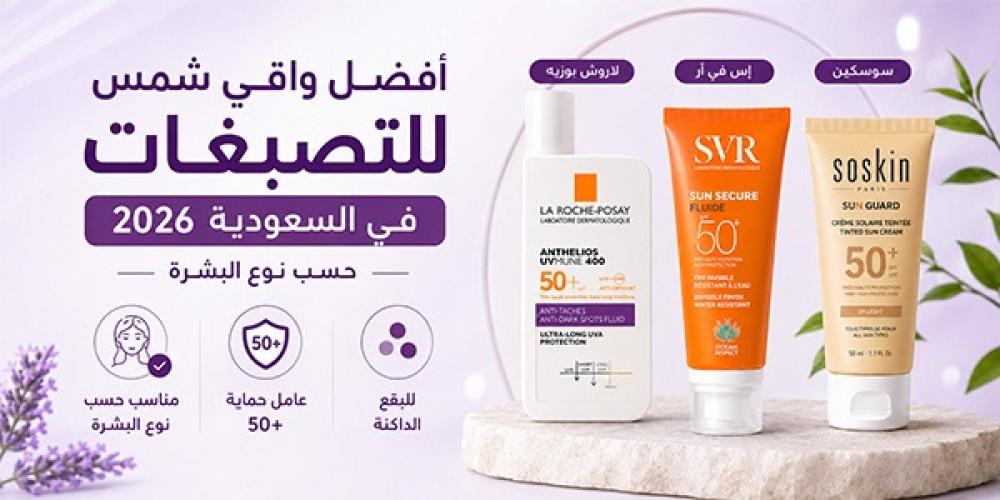
In this guide, we explain how to choose the right sunscreen according to your skin type, the difference between clear and tinted sunscreen, and how La Roche-Posay, SVR and Soskin options compare.
Important: Even an effective pigmentation cream may provide limited results if the skin is exposed to sunlight every day without appropriate protection.
How Does Sun Exposure Increase Hyperpigmentation and Dark Spots?
Sun exposure stimulates melanin production in the skin. This may make melasma, post-acne marks and dark spots more noticeable or contribute to their return after they have started to improve.
For this reason, sunscreen should not be limited to summer or beach days. Daily exposure while going outside, driving, walking or sitting near windows may affect skin that is prone to pigmentation.
Does Sunscreen Remove Hyperpigmentation?
No. Sunscreen does not act as a skin-lightening cream and does not remove existing melasma or post-acne marks on its own.
Its primary role is to reduce the effect of sunlight on the skin and help prevent existing spots from becoming darker while reducing the risk of new spots developing.
Existing pigmentation may require active ingredients such as azelaic acid, niacinamide or vitamin C, or treatment selected by a dermatologist according to the cause of pigmentation and the skin type.
In simple terms: pigmentation treatment helps improve the appearance of existing spots, while sunscreen helps protect the results and reduce factors that may contribute to the return of pigmentation.
What Should You Look for in the Best Sunscreen for Hyperpigmentation?
1. Broad-Spectrum Protection
Choose a sunscreen that provides broad-spectrum protection, meaning that it protects against both major types of ultraviolet radiation: UVA and UVB.
- UVA radiation is associated with photoaging and can contribute to some types of hyperpigmentation.
- UVB radiation is more strongly associated with sunburn.
Do not rely on the SPF number alone without confirming that the product also provides broad-spectrum protection.
2. SPF 30 or Higher
A broad-spectrum sunscreen with SPF 30 or higher is generally preferred.
Because sun exposure can be intense in Saudi Arabia, SPF 50 or SPF 50+ may be a practical choice, particularly when melasma, post-acne marks or exfoliating products are involved.
A higher SPF does not mean the sunscreen will continue protecting the skin all day without reapplication. Using too little product also reduces the actual level of protection.
3. A Texture Suitable for Your Skin Type
The best sunscreen is one that you can use every day without being uncomfortable with its texture or finish.
- Oily and combination skin: often benefits from lightweight fluid, gel or non-greasy formulas.
- Dry skin: may need a creamier or more moisturizing formula to reduce tightness and dryness.
- Sensitive skin: may benefit from a gentle formula with fewer fragrances and potential irritants.
- Acne-prone skin: may benefit from a lightweight, non-comedogenic sunscreen.
4. Water and Sweat Resistance
Water and sweat resistance can be important in hot climates, especially during walking, outdoor activities or frequent sweating.
However, water resistance does not mean the sunscreen remains effective throughout the entire day. Reapplication is still necessary after swimming, heavy sweating or drying the face with a towel.
5. Protection From Visible Light
Visible light may contribute to melasma and pigmentation in some people, particularly those with medium to darker skin tones.
Tinted sunscreens containing iron oxides may provide additional protection against visible light alongside ultraviolet protection.
However, the presence of tint alone does not confirm that a sunscreen contains iron oxides. Check the ingredients list or ask a pharmacist.
Sunscreens for Hyperpigmentation Available From Balsam Al Madina
La Roche-Posay Anthelios UVMune 400 for Pigmentation SPF 50
La Roche-Posay Anthelios UVMune 400 for Pigmentation is an option designed for skin prone to dark spots and uneven pigmentation and provides high protection for daily facial use.
It may be suitable when:
- You have melasma or dark spots.
- You use creams or serums for pigmentation care.
- You need high daily facial sun protection.
- You want a sunscreen designed for skin prone to uneven tone.
The La Roche-Posay Anthelios range includes several versions that differ in texture, tint and target skin type, so it is important to choose the version that matches your needs.
SVR Sun Secure Fluid SPF 50
SVR Sun Secure Fluid has a lightweight, non-greasy texture and may be suitable for oily and combination skin or for people who do not prefer heavy creams.
It may be suitable when:
- Your skin is oily or combination.
- You do not like heavy cream textures.
- You want a lightweight finish for daily use.
- You apply sunscreen before makeup.
This sunscreen is not a direct treatment for hyperpigmentation, but it provides daily protection that can help prevent dark spots from becoming more noticeable and support the results of your pigmentation-care routine.
Soskin Tinted Sunscreen Shade 01 Light SPF 50+
Soskin Tinted Sunscreen Shade 01 combines high sun protection with light color coverage and may suit people who prefer a tinted sunscreen that helps improve the appearance of uneven skin tone.
It may be suitable when:
- You prefer tinted sunscreen rather than a clear formula.
- You want light coverage for dark spots and uneven tone.
- Shade 01 Light matches your skin tone.
- You need SPF 50+ for daily use.
For additional visible-light protection, check whether iron oxides are included in the ingredients list.
Choosing Sunscreen According to Skin Type
For Melasma and Noticeable Hyperpigmentation
Choose a broad-spectrum sunscreen with SPF 50 or SPF 50+, use an adequate amount and reapply it during exposure.
A tinted sunscreen containing iron oxides may also be helpful when visible light contributes to melasma.
For Oily or Combination Skin
Choose a lightweight, fluid, non-greasy and non-comedogenic formula.
SVR Sun Secure Fluid may be one option that matches these preferences.
For Dry Skin
Choose a sunscreen with a moisturizing texture, or apply a suitable moisturizer before sunscreen.
Avoid formulas that feel excessively drying if they cause flaking or tightness.
For Sensitive Skin
Choose a gentle formula with minimal fragrance and potential irritants.
Test the product on a small area before applying it to the entire face. If you have rosacea, eczema or repeated irritation, ask a doctor or pharmacist for advice.
For Those Who Prefer Light Coverage
Soskin Tinted Sunscreen Shade 01 may suit people who want to combine sun protection with light color coverage, provided that the shade matches their skin tone.
Which Is Better for Hyperpigmentation: La Roche-Posay, SVR or Soskin?
La Roche-Posay may be more relevant when:
- You want a sunscreen designed for skin prone to pigmentation and dark spots.
- You follow a skincare routine for melasma or post-acne marks.
- You need high daily protection for the face.
SVR may be more relevant when:
- Your skin is oily or combination.
- You prefer a lightweight fluid texture.
- Your skin does not tolerate heavy creams or greasy finishes well.
Soskin Tinted may be more relevant when:
- You prefer tinted sunscreen.
- You want light coverage that helps even the appearance of the skin.
- Shade 01 Light is suitable for your skin tone.
There is no single sunscreen that is best for every skin type. The right choice depends on your skin type, preferred texture, whether you need tint and how consistently you can apply and reapply the product.
Is Mineral Sunscreen Better Than Chemical Sunscreen for Hyperpigmentation?
Both mineral and chemical sunscreens can provide good protection when the product is broad-spectrum and used in an adequate amount.
Mineral Sunscreen
Mineral sunscreen usually contains zinc oxide or titanium dioxide. It may suit some sensitive skin types, although some formulas can leave a white cast depending on the formulation and skin tone.
Chemical Sunscreen
Chemical sunscreen uses filters that absorb ultraviolet radiation and often comes in lightweight, transparent formulas suitable for daily use.
Visible-light protection does not depend only on whether the sunscreen is mineral or chemical. It is also associated with pigments such as iron oxides found in some tinted sunscreens.
How to Use Sunscreen for Hyperpigmentation
- Apply sunscreen after moisturizer and as the final step of your morning skincare routine.
- Use enough product to cover the face, neck and ears evenly.
- Apply it around 15 minutes before going outside or being exposed to sunlight.
- Reapply every two hours when staying outdoors.
- Reapply after swimming, heavy sweating or drying the face.
- Wear a hat and sunglasses and seek shade during prolonged sun exposure.
- Do not rely only on makeup products containing SPF if they are not applied in an adequate amount.
Common Mistakes That Reduce Sunscreen Effectiveness
- Applying too little sunscreen.
- Using sunscreen only during summer.
- Not reapplying during prolonged exposure.
- Forgetting the neck, ears and edges of the face.
- Relying on the SPF number without checking for broad-spectrum protection.
- Choosing an uncomfortable texture and eventually stopping regular use.
- Believing that sunscreen alone removes old pigmentation.
- Using exfoliants or pigmentation treatments while neglecting morning sun protection.
- Relying on sunscreen alone without using shade, hats or protective clothing during prolonged exposure.
Should You Wear Sunscreen Indoors?
Sunscreen may be useful when you spend long periods near windows, while driving or when exposed directly to daylight, particularly if you have melasma or recurring hyperpigmentation.
The need for reapplication indoors varies depending on the amount of light exposure, where you are sitting and your daily activities.
When Does Hyperpigmentation Need a Dermatologist?
- Dark spots appear suddenly.
- The color or shape of a spot changes rapidly.
- There is itching, pain or bleeding.
- Hyperpigmentation does not improve despite consistent protection and treatment.
- Sunscreens repeatedly cause persistent irritation.
- You are using strong treatments or undergoing chemical peels or laser procedures.
- You are pregnant or breastfeeding and want to use pigmentation treatments.
Frequently Asked Questions
What Is the Best Sunscreen for Hyperpigmentation?
The best sunscreen is a broad-spectrum product with SPF 30 or higher that suits your skin type and that you can apply and reapply consistently.
Does Sunscreen Completely Prevent Hyperpigmentation?
No sunscreen blocks all radiation or prevents every cause of hyperpigmentation completely. Results depend on the amount applied, regular reapplication and reducing direct sun exposure.
Is SPF 50 Better Than SPF 30?
SPF 50 provides a higher level of protection, but it does not replace using an adequate amount or reapplying sunscreen regularly.
Is Tinted Sunscreen Better for Melasma?
It may provide additional benefit in some cases of melasma when it contains iron oxides because these pigments can help protect against part of the visible-light spectrum.
Does Sunscreen Lighten the Skin?
No. Sunscreen does not directly lighten the skin. However, it can help prevent additional tanning and darkening of spots, supporting improvement in the appearance of pigmentation when combined with appropriate care.
Can Sunscreen Cause Acne?
Some heavy formulas may contribute to excess shine or clogged pores in acne-prone skin. A lightweight, non-comedogenic formula may be more suitable in this case.
Can Sunscreen Be Used With Pigmentation or Brightening Creams?
Yes. Sunscreen is an important step when using pigmentation treatments or exfoliating products. Use the treatment according to its instructions and apply sunscreen in the morning.
Conclusion
Choosing the best sunscreen for hyperpigmentation depends on broad-spectrum protection, SPF, skin type, texture and whether you prefer a clear or tinted formula.
La Roche-Posay may suit someone looking for a sunscreen aimed at skin prone to dark spots, while SVR may suit those who prefer a lightweight texture for oily or combination skin. Soskin Tinted Shade 01 may be an option for those who prefer light color coverage.
Use sunscreen every day in an adequate amount, reapply it during exposure and do not rely on sunscreen alone to remove existing hyperpigmentation.
Medical notice: This information is provided for general educational purposes and does not replace consultation with a doctor or pharmacist, particularly if you have a skin condition or are using strong pigmentation or exfoliating treatments.