
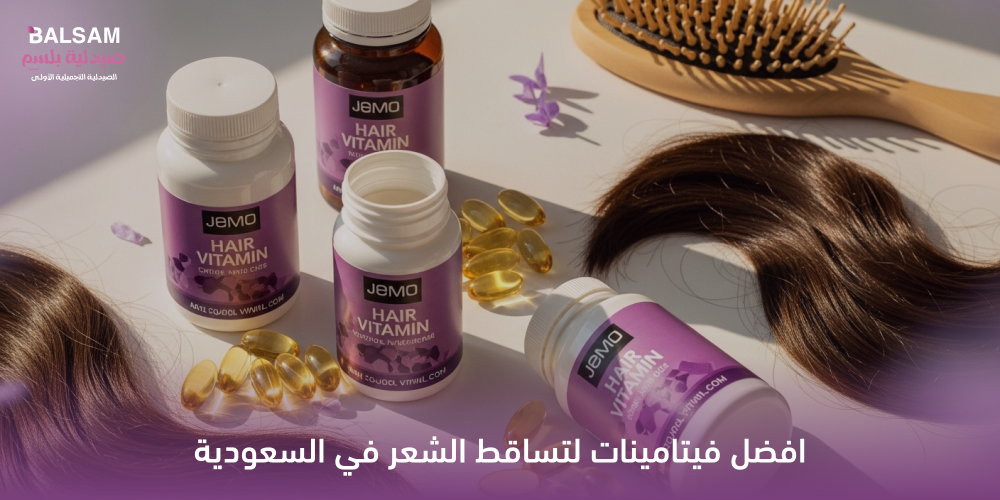
Hair loss is a common concern among adults in Saudi Arabia, and vitamin supplements are often promoted as an easy solution. But shedding can result from genetics, hormonal changes, medical conditions, stress, scalp problems, nutritional deficiencies or damage to hair strands. The most useful first step is understanding the cause rather than choosing a tablet from its label.
This guide explains how vitamins relate to normal hair health, how to get nutrients from food, and when a supplement or professional assessment may be appropriate.
Common causes of hair loss
Hereditary hair loss often appears gradually at the crown or hairline. Temporary shedding can follow illness, stress, major weight changes or childbirth. Scalp conditions may involve inflammation, irritation or noticeable scaling. Hair breakage can result from bleaching, heat or tight styling. Nutritional deficiencies may contribute in specific situations, especially with inadequate dietary intake or medical issues affecting absorption.
Because these causes are different, there is no universal hair-loss vitamin formula that solves them all.
Vitamin A: important but too much can be harmful
Vitamin A is required for normal body functions, including immune function and cell maintenance. Food sources include eggs, dairy and vegetables that contain provitamin A compounds. Excessive vitamin A supplementation can be toxic and may itself contribute to hair problems, so high-dose products should not be taken casually for cosmetic goals.
Biotin (Vitamin B7)
Biotin is a B vitamin involved in metabolism. True deficiency may affect hair and skin, but it is uncommon in many otherwise healthy adults. High-dose biotin is not a proven solution for every case of thinning and can interfere with some laboratory tests. Tell your healthcare professional about supplements before undergoing blood testing.
Vitamin B12
Vitamin B12 supports normal nerve and blood-cell function. People with limited animal-source food intake or certain absorption disorders may have a higher risk of deficiency. If a deficiency is suspected, an assessment can identify whether treatment is appropriate. Extra B12 does not guarantee thicker hair when levels are normal.
Vitamin C and dietary iron
Vitamin C helps the body absorb iron from plant foods and is involved in normal collagen formation. Citrus fruits, peppers and vegetables are useful sources. Including these foods as part of a varied diet can support nutrition without relying on high-dose tablets. Vitamin C itself does not reverse genetic hair thinning.
Vitamin D
Vitamin D is important for normal bone health and other body functions. Some individuals with hair concerns may also have low vitamin D, but the relationship does not establish that everyone should take a high dose. If a deficiency is identified, follow a clinician's dosing guidance and avoid excessive intake.
Vitamin E
Vitamin E has antioxidant functions and is found in foods such as nuts, seeds and certain vegetable oils. Supplements containing large amounts are not automatically beneficial for hair and may carry risks for some people. Consider the overall diet and medical context before use.
Do iron and zinc matter?
Iron and zinc are minerals, not vitamins, but they are frequently included in hair supplements. Deficiency in either may contribute to hair issues in some individuals. Unnecessary high doses can cause side effects or disrupt the balance of other nutrients. Testing and guidance are preferable to guessing.
How can food support nutrient intake?
A varied diet containing adequate protein, vegetables, fruit, whole grains and suitable sources of iron and zinc can support general health. People following restrictive diets, with gastrointestinal conditions or with other health concerns may benefit from personalized nutritional advice. There is no single “hair superfood” that guarantees regrowth.
Supplements versus food sources
Food provides a mix of nutrients and other dietary components. Supplements deliver measured ingredients and can help address specific needs, but they should not replace a balanced diet. If you are comparing Arkopharma Forcapil for hair and nails and Centrum multivitamins and minerals, check each formula's total amounts, intended use and potential overlap with other products.
What should you do before buying?
- Review the pattern and duration of hair shedding.
- Consider diet, recent illness, stress and medications.
- Seek professional assessment for pronounced or persistent loss.
- Choose a supplement only when its ingredients meet a relevant need.
- Follow the recommended dose and avoid combining high-dose products unnecessarily.
Daily haircare alongside nutrition
Use gentle shampoo appropriate for the scalp, conditioner on the lengths and sensible heat protection. Avoid tight styles and excessive chemical treatments. Read our hair fall care routine to build consistent habits while addressing any underlying cause.
When to seek advice
Sudden patchy shedding, rapid worsening, scalp inflammation, pain or hair loss with other symptoms merits professional evaluation. A clinician may recommend testing for selected nutritional or health conditions based on the situation.
Frequently asked questions
Which hair vitamins are best in Saudi Arabia?
The appropriate choice depends on nutritional needs and the cause of shedding. A supplement is not a universal treatment.
Can biotin stop hair loss?
It may be relevant when deficiency exists, but extra biotin is not proven to stop all forms of hair loss.
Can I take a multivitamin with a hair supplement?
Check ingredients carefully because doses may overlap. Ask a healthcare professional if you are unsure.
How quickly does hair grow back?
Hair growth changes usually take time and depend on the cause and whether appropriate treatment is provided.
Bottom line: focus on diagnosis, adequate nutrition and gentle haircare. Choose supplements for real needs rather than relying on dramatic growth claims.