
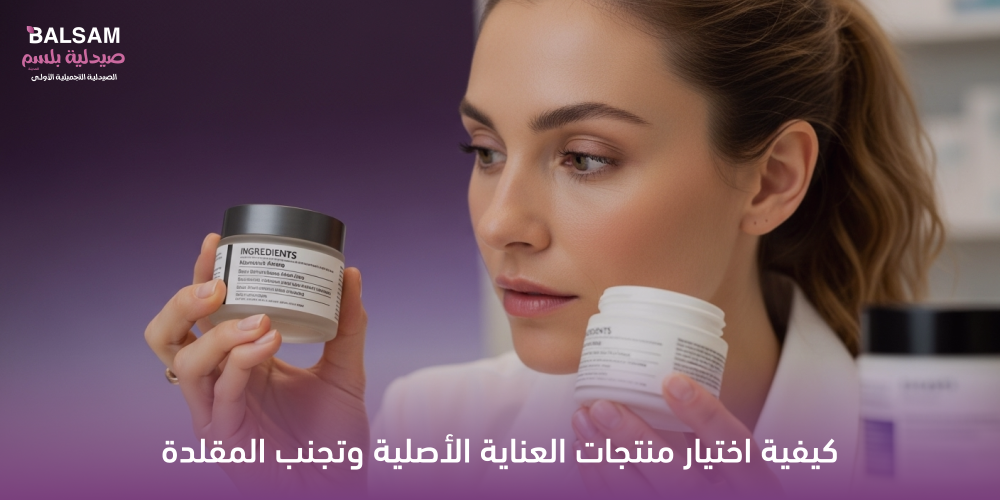
Skincare, haircare and pharmacy products are easier to buy online than ever, but shoppers also need to watch for counterfeit or incorrectly represented goods. A familiar logo or an attractive price is not enough to establish authenticity. The safer approach is to check the seller, product details, packaging, traceability and support options before making a purchase.
This guide explains practical warning signs and how to compare products without relying on exaggerated promises or unverified claims.
Why do counterfeit care products matter?
A counterfeit may not contain the ingredients stated on its label, may have been stored improperly or may lack reliable quality controls. It could irritate skin or simply fail to perform as expected. Even genuine products can cause reactions in some people, so authenticity is only one part of choosing suitable skincare.
Start with the seller
Check whether the retailer provides clear contact details, order policies and reliable customer support. Read the product description and compare it with the manufacturer's published information when available. Be cautious about sellers that pressure you into paying outside the normal checkout or communicating only through an unfamiliar personal account.
Inspect product names and pack sizes
Product listings should show a clear name, brand, size, intended use and, where relevant, ingredients and instructions. A listing with a cropped label, missing pack information or inconsistent branding deserves another look. For example, compare the stated details of Uni Dove sunscreen for dry and sensitive skin with the package you receive.
Check packaging and labeling
- Look for readable printing and a consistent product name.
- Check batch or lot details and expiry information when applicable.
- Inspect seals and closures for unexpected damage.
- Review usage directions and safety information on the package.
- Contact the seller or manufacturer if a label appears inconsistent.
No single visual sign proves authenticity, and packaging can change. Use several checks together rather than relying only on a barcode scan or color shade.
Be careful with unusually low prices
Discounts are common in retail, so a lower price alone does not mean a product is fake. However, a dramatically low offer combined with unclear seller identity, poor product images and missing policies is a reason to investigate before buying. Compare reputable retailers and check what is included in the package.
Understand ingredients and product claims
A legitimate product should have directions and a reasonable description of its intended effects. Be skeptical of claims that a serum will erase all pigmentation instantly, that a shampoo cures every kind of hair loss, or that a supplement guarantees a medical benefit. Authenticity does not turn exaggerated marketing into reliable evidence.
As one example of a topical category, inspect PostQuam vitamin C serum by looking at ingredients, intended skin type, application instructions and expected use rather than relying on a single dramatic claim.
Haircare products: what should you check?
Shampoo and scalp-care products vary by hair type and purpose. Check whether a product is a rinse-off shampoo, leave-on lotion or treatment ampoule; each has different directions. Do not assume packaging style alone indicates effectiveness or authenticity. Buy based on the specific concern and verify the product details on delivery.
Supplements and health products require extra care
Vitamins, omega-3 products, melatonin and other supplements are not interchangeable with cosmetic moisturizers. Verify the exact ingredient and strength, applicable product requirements and whether a healthcare professional should guide use. Avoid purchasing products from questionable sources that promise unrestricted medical treatment.
How to shop online more safely
- Open the retailer's site directly rather than through suspicious messages.
- Check the product name, brand, size and price.
- Review checkout, delivery and return information.
- Use a secure payment method.
- Keep your order confirmation and packaging until you have checked the product.
- Contact customer support if anything is inconsistent.
For a broader checklist, read our guide to purchasing pharmacy products online safely in Saudi Arabia.
What if you suspect a counterfeit?
Stop using a product if you suspect it has been misrepresented or it causes an unexpected reaction. Keep photos of packaging, order details and batch information, then contact the retailer and, when appropriate, the manufacturer or relevant local authority. If you have significant symptoms, seek medical care.
Frequently asked questions
Does scanning a barcode guarantee authenticity?
No. Barcodes can be copied. Use seller reliability, packaging details and manufacturer verification together.
Can genuine skincare still irritate my skin?
Yes. Ingredient sensitivity and unsuitable use can cause reactions even with authentic products. Follow directions and patch-test when appropriate.
Is a very low price proof of a fake?
Not on its own, but it can be a reason to check the seller and listing more carefully.
What should I do with damaged packaging?
Document the condition, review the retailer's support policy and contact customer service before using a product that may have been compromised.
Bottom line: buy from credible sellers, inspect the details, compare claims realistically and keep order records. A careful check is worth more than a dramatic discount or promise.