
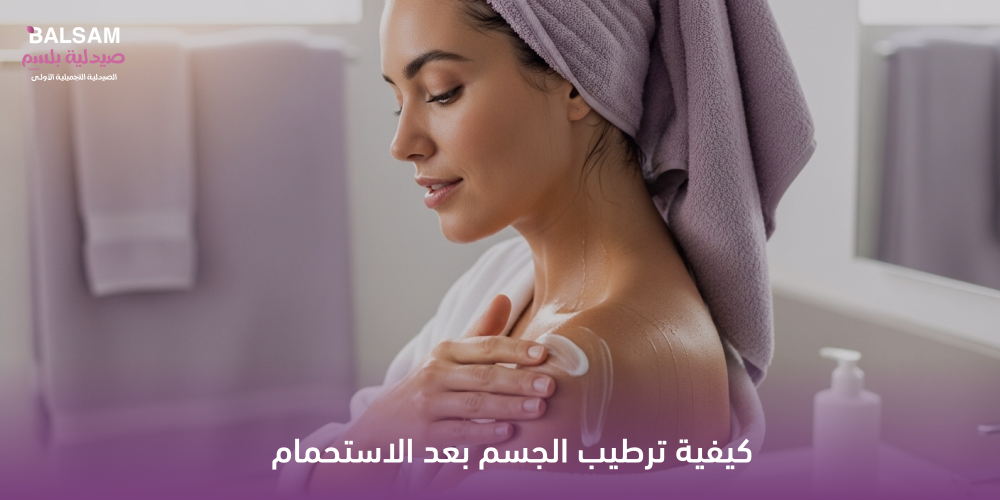
Body skin can feel tight or dry after a shower, especially when you use hot water, spend much of the day in air-conditioned spaces or live in a dry climate. Applying a suitable moisturizer soon after bathing is one of the simplest habits for soft, comfortable skin. You do not need a complicated routine or several scented products to make a difference.
This guide explains why the timing matters, how to choose a body lotion or cream, which ingredients are useful and how to adapt your routine to different skin types.
Why moisturize after showering?
Bathing removes dirt and sweat, but hot water and strong cleansers may also disturb the skin's natural oils. As water evaporates from the surface, skin can feel drier. Applying a moisturizer helps reduce moisture loss and supports the protective skin barrier. The aim is to maintain comfort and flexibility, rather than to “open pores” or force ingredients deep into the skin.
The best time to apply body moisturizer
Pat the skin gently with a towel, leaving it slightly damp, then apply your chosen lotion or cream shortly after getting out of the shower. This helps retain some of the water remaining on the surface. You can reapply to particularly dry areas later in the day as needed.
Do not rub the towel harshly. Rubbing can aggravate already dry or sensitive skin, especially on elbows, knees and shins.
Step-by-step post-shower routine
- Shower comfortably: choose lukewarm rather than very hot water and avoid unnecessarily long showers.
- Cleanse gently: focus soap or body wash where needed; avoid aggressive scrubbing.
- Pat dry: leave a little surface moisture.
- Moisturize: smooth lotion or cream over arms, legs and torso according to the label.
- Pay attention to rough areas: add more moisturizer to elbows, knees, heels or other dry patches.
- Protect exposed skin: apply sunscreen to areas exposed to daylight when going outdoors.
How to choose a lotion for your skin type
Normal skin: a lightweight body lotion is often enough. Dry skin: richer creams or balms may provide longer-lasting comfort. Oily or acne-prone body skin: choose a lighter non-greasy texture if heavy products feel uncomfortable. Sensitive skin: fragrance-free formulas may reduce the likelihood of stinging or irritation.
For a daily lotion option, compare the texture and instructions for Exzal body moisturizing lotion with your own preferences and skin needs.
Ingredients worth looking for
- Glycerin: a humectant that helps attract water to the skin's surface.
- Hyaluronic acid: often included in hydrating formulas.
- Ceramides: skin barrier components used in some moisturizers.
- Petrolatum and similar occlusives: help limit moisture loss, especially on very dry areas.
- Shea butter and emollient oils: can soften rough skin, although heavier textures do not suit everyone.
There is no need for every ingredient in one product. Choose a formula that feels comfortable and can be applied consistently.
Body milk versus rich cream
Body milk and lotion usually spread easily over large areas, which makes them practical for everyday use. Thicker creams and balms may feel better on very dry or rough patches. The best texture depends on your climate, skin type and personal preference.
To compare another format, see Froika soothing and moisturizing body milk. Check its recommended use and whether the formula suits sensitive or dry skin.
How to improve skin hydration throughout the day
Use a gentle cleanser, avoid very hot showers and reapply moisturizer when skin feels dry. In air-conditioned environments, hands and lower legs may need more attention. If you wash your hands frequently, applying hand cream afterward can help maintain comfort.
Exfoliation is not essential every day. Overusing rough scrubs or strong acids can increase dryness and irritation. If you choose a body exfoliant, follow its instructions and avoid applying it over broken or inflamed skin.
Daily hydration versus intensive care
A daily lotion can help maintain comfortable skin, while a thicker cream may be useful for very dry areas. Persistent cracked skin, significant itching or inflamed patches may need a specific assessment rather than repeated changes in cosmetic moisturizer. In those situations, speak with a pharmacist or healthcare professional.
Body care in Saudi Arabia's weather
Hot outdoor weather and indoor air-conditioning can create a mixture of sweating and dryness. A lightweight lotion may feel better during warmer months, while richer creams are useful for some people during cooler, drier periods. The routine can change with the season without becoming complicated.
For a broader comparison of skincare categories and daily routines, explore our guide to skincare products in Saudi Arabia.
Frequently asked questions
Should I moisturize after every shower?
For many people, yes—especially if skin tends to become dry or tight after bathing. Choose the amount and texture that feel comfortable.
Can I apply lotion while skin is still wet?
It is usually practical to pat skin until slightly damp and then moisturize. Follow the directions for the specific product.
Is a body oil enough on its own?
Some oils help limit moisture loss and soften the skin, but they may not provide all the hydration and comfort you want. A lotion or cream may be a better everyday choice for some skin types.
What if my skin remains itchy or cracked?
Persistent discomfort, cracking or inflammation should be assessed by a healthcare professional, particularly if gentle moisturizing is not helping.
Bottom line: use lukewarm water, pat skin dry, then moisturize while it is slightly damp. A reliable, comfortable habit works better than an elaborate routine that is difficult to maintain.